The Weight of Vellum: How Administrative Violence Shapes the Gothic Soul

Photo by Atlantic Ambience: https://www.pexels.com/photo/old-book-beside-an-ink-pen-12944758/
The Ledger Spire does not scream; it whispers in the scratch of quills and the heavy thud of wax seals. In the realm of the dark gothic, we often look to the monsters under the bed or the vampires in the shadows to provide our thrills. Yet, there is a more insidious horror found in the basement of the world: the horror of being known, cataloged, and filed away.
The architecture of the Ledger is designed to make the individual feel infinitesimal. Imagine ceilings that stretch into a darkness even candlelight cannot pierce, lined with shelves that hold the recorded breaths of a thousand generations. Here, the "Bureaucratic Throat" of the world swallows identity whole. When we talk about the theme of the Ledger, we aren't just talking about a library; we are talking about a machine of state-sanctioned permanence. In this space, if a person is not in the files, they do not exist—and if the files say they are dead, no amount of pulse or prayer can prove otherwise. This is the first pillar of administrative violence: the erasure of the self through the absolute authority of the record.
The Architecture of Silence
To step into the halls of the Ledger is to step out of time. The air here is thin, filtered through miles of stone and parchment, carrying the scent of dust and the faint, sweet rot of ancient vellum. This is not the vibrant, messy history of the living; it is the frozen, sanitized history of the state. The Spire is built on a foundation of silence, where the only permitted sound is the rhythmic, heartbeat-like thud of the stamp.
This silence is a weapon. It creates a psychological weight that presses down on the soul, reminding every visitor that their life is merely a temporary phenomenon. The Ledger is eternal; the person is a variable. By organizing a world through this lens, the "Bureaucracy of the Dark" ensures that rebellion is not just a physical act, but a clerical impossibility. How do you burn down a system that has already turned your name into a number and filed you in a drawer you can never find?
Ink, Blood, and the Permanence of the Stain
To understand the Ledger is to understand that ink is merely blood that has been given a purpose. In a gothic setting, the act of writing is never passive. Every entry in a bloodline record is a contract with the past and a shackle on the future. When a clerk dips their quill, they are drawing from the life force of the citizenry to maintain the status quo.
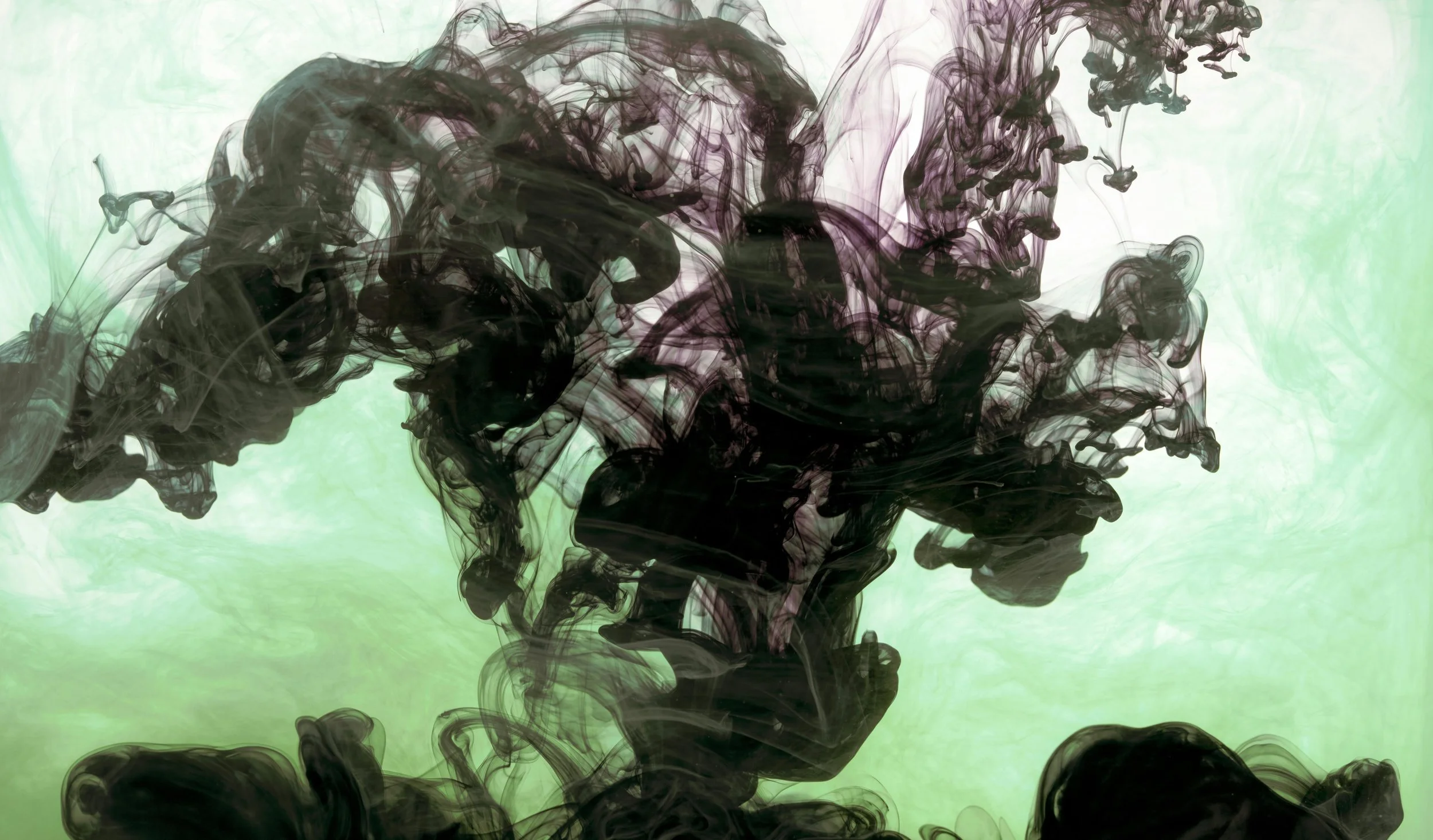
Photo by Engin Akyurt: https://www.pexels.com/photo/colorful-liquid-in-the-water-6749426/
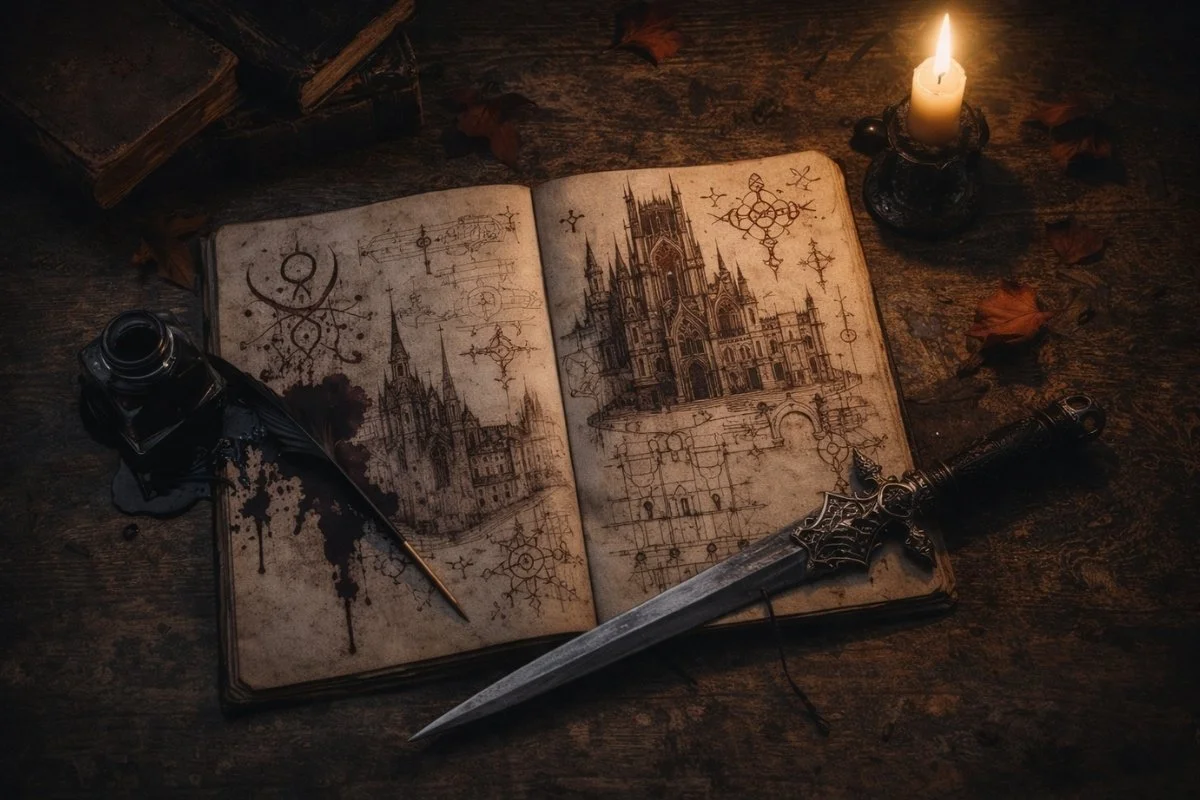
The sensory horror of record-keeping lies in its materials. Consider the vellum—not just old paper, but skin that has been scraped, dried, and stretched to hold a truth that outlasts the body. The iron-gall ink, corrosive by nature, eats into the page just as a decree eats into a family’s fortune. Administrative violence thrives on this permanence. While a physical wound might heal, a black mark next to a family name in the Ledger persists for centuries. It dictates who may marry, who may inherit, and who is destined for the shadows. The Ledger is the ultimate antagonist because it is an enemy that cannot be stabbed or bargained with; it can only be outlived, though it waits patiently to record your end.
The Clerk as the High Priest of Order
We often imagine villains in capes, but the most dangerous figures in the Ledger are the men and women with ink-stained sleeves. These clerks are the high priests of order, worshiping at the altar of the "Correct Form." They do not act out of malice, but out of a terrifying, hollowed-out obedience to the rulebook.
This is the banality of gothic evil. A clerk might see a clerical error that will result in a family being stripped of their lands, and they will not correct it, not because they hate the family, but because the "Official Record" has already been sealed. To change the record is to admit the system is fallible, and in the Ledger Spire, fallibility is a heresy. The clerks become extensions of the furniture, their humanity eroded by the thousands of tragedies they process daily. They are the conduits through which the violence of the state flows, anonymous and untouchable.
The Missing Files: The Horror of Being Forgotten
While being "on the record" is a form of shackles, being "off the record" is a form of execution. Erasure is the ultimate punishment in a society governed by the Spire. To have one’s files "misplaced" is to be cast into a liminal space where you have no rights, no history, and no future. You become a "Redacted Soul."
Beneath the main floors of the Spire lie the Subterranean Archives—the places where the ink never quite dries, and the records are written in a language that hurts the eyes. These are the shadow archives, containing the secrets the world was meant to forget. The horror here is not just in what is recorded, but in what is hidden. A black line drawn through a name is as lethal as a guillotine. It is the power of the redaction: the ability to decide which parts of the truth are allowed to survive and which are consigned to the dust.



Conclusion: The Ink Still Runs
The Ledger is never full. Every day, the Spire grows a little taller, the shelves a little heavier, and the ink-wells a little deeper. We live in a world where our identities are constantly being negotiated by the papers we carry and the records we leave behind. The gothic horror of the Ledger is simply a reflection of our own reality—the realization that we are all, in some way, living within a system that values the record more than the person.
As you leave the halls of the Ledger, remember: the ink is still wet on your page. The story is being written, and the clerks are watching. Whether you are a hero or a footnote is not up to you—it is up to the hand that holds the pen.