The Architecture of a Villain: Why the "Monster" is the Muse in Dark Romantasy
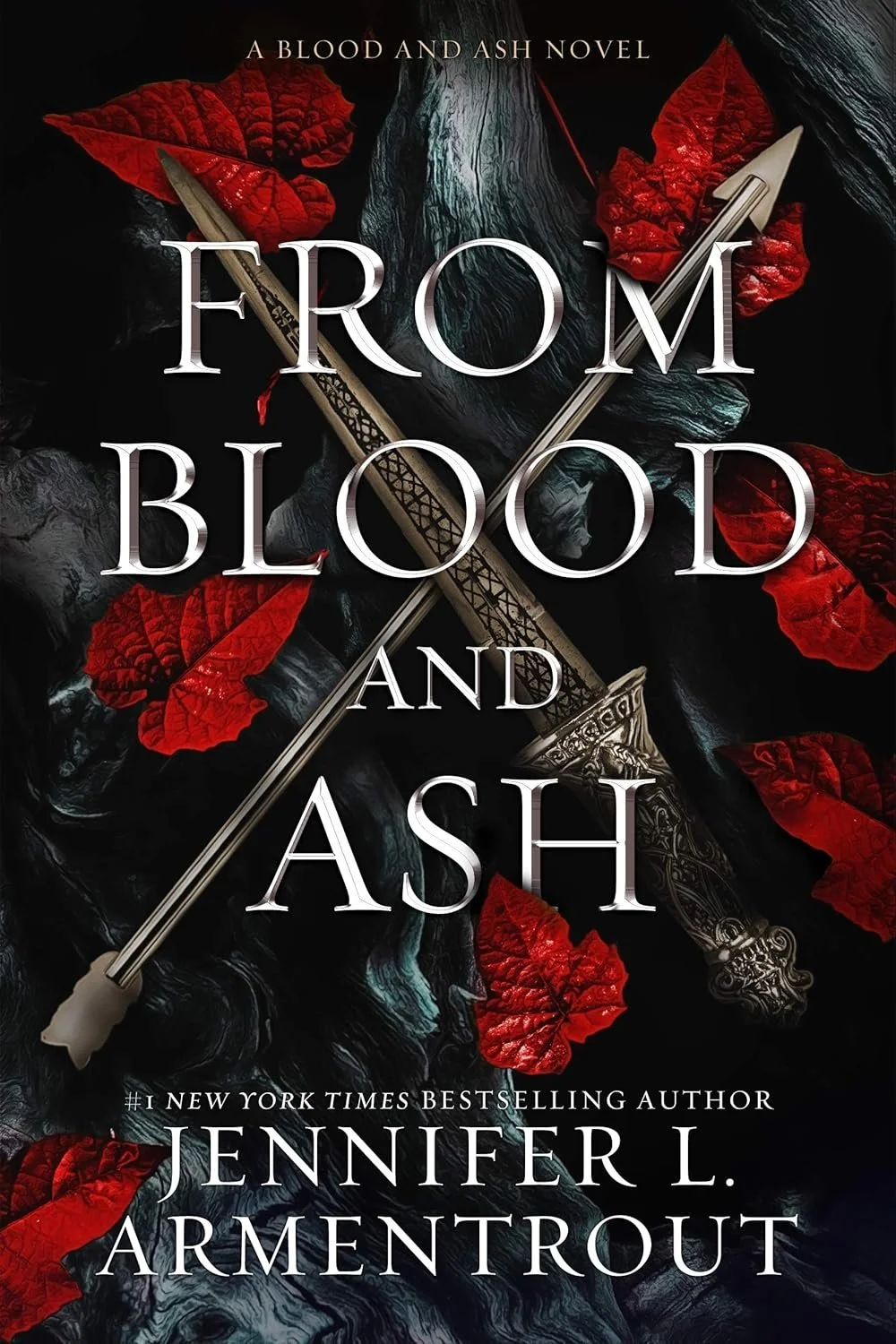
The blueprint for lethal devotion: Casteel Da'Neer in From Blood and Ash.
There is a specific kind of silence that happens when a villain enters a room. It isn’t the silence of peace; it’s the silence of a predator. In the world of Dark Romantasy, we don’t just watch the monster—we wait for him.
But why? Why do we find ourselves highlighting lines from the man who would burn the world down rather than the hero who wants to save it?
The answer lies in the Architecture of the Villain. It’s not just about a pretty face and a tragic backstory; it’s about a specific blueprint of power, isolation, and an almost terrifying level of devotion.
1. The Foundation: Power Without Permission
A true dark romantasy villain doesn't ask for a seat at the table; he owns the room. Whether it’s Xaden Riorson in Fourth Wing, wielding sentient shadows, or Rhysand in A Court of Mist and Fury, masking his power behind a mask of cruelty, the foundation is always competence.
We aren't attracted to the evil; we are attracted to the autonomy. In a world that often feels out of our control, a man who answers to no one but his own moral (or immoral) code is intoxicating.
2. The Pillar of Lethal Devotion
This is the "Touch her and you die" energy that defines the genre. The villain’s love isn't a bouquet of roses; it’s a shield of cold iron.
Take Casteel Da’Neer from From Blood and Ash. His charm is lethal, but his loyalty is absolute. The architecture of these characters relies on the idea that they are monsters to the world, but a sanctuary for the heroine. It’s the "Villain would sacrifice the world to save you" vs. "The Hero would sacrifice you to save the world."
In the sunless corridors of dark fiction, we will choose the man who chooses us—every single time.
3. The Shadow Daddy Masterlist: 5 Villains Who Built the Blueprint
If you’re looking to study this architecture further, these five icons are the gold standard (and perfect for your next binge-read):
Xaden Riorson (Fourth Wing by Rebecca Yarros): The king of "I shouldn't want you, but I'll kill anyone who touches you."
Rhysand (A Court of Mist and Fury by Sarah J. Maas): The blueprint for the "Villain in a Hero’s Mask."
The Darkling (Shadow and Bone by Leigh Bardugo): For those who prefer their villains without the redemption arc—pure, unadulterated power.
Death (Belladonna by Adalyn Grace): A literal personification of the end, yet he is the only one who truly sees the heroine.
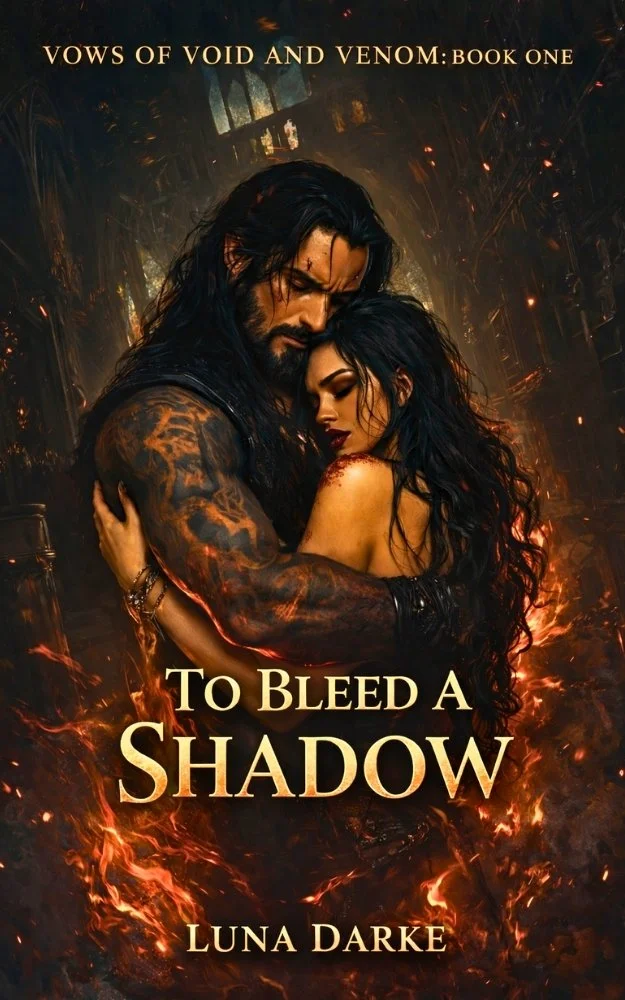
Commander Thorne (To Bleed a Shadow by Luna Darke): While he’s the newest shadow on the block, Thorne represents the "Void" itself—a man who has forgotten his humanity until it’s forced back upon him by a woman he’s supposed to destroy.
4. The Aesthetic: Why the Shadows Feel Like Home
The "Shadow Daddy" isn't just a character; he’s an aesthetic. He is the smell of rain, the feel of cold leather, the sound of a blade unsheathing, and the weight of a gaze that never wavers.
Dark Romantasy allows us to explore the "forbidden" parts of desire. It’s a safe space to ask: What if the monster loved me? What if I didn't have to be the good girl?


5. The Final Vow: Devotion Over Redemption
We don't actually want the villain to become a "Good Man." We don't want him to join the town council and start a garden. We want him to remain a monster—but our monster.
The architecture of a villain is complete when he stays true to his dark nature while making an exception for one person. It’s the ultimate form of being "chosen."
What’s Your Villain Blueprint?
Are you a fan of the "Touch her and die" protector, or do you prefer the "Burn the world for revenge" type?
Leave a comment below and tell me: Who is the one book villain you’d willingly follow into the Void?