The Architecture of Dread: Why We Are Haunted by the Recorded Word

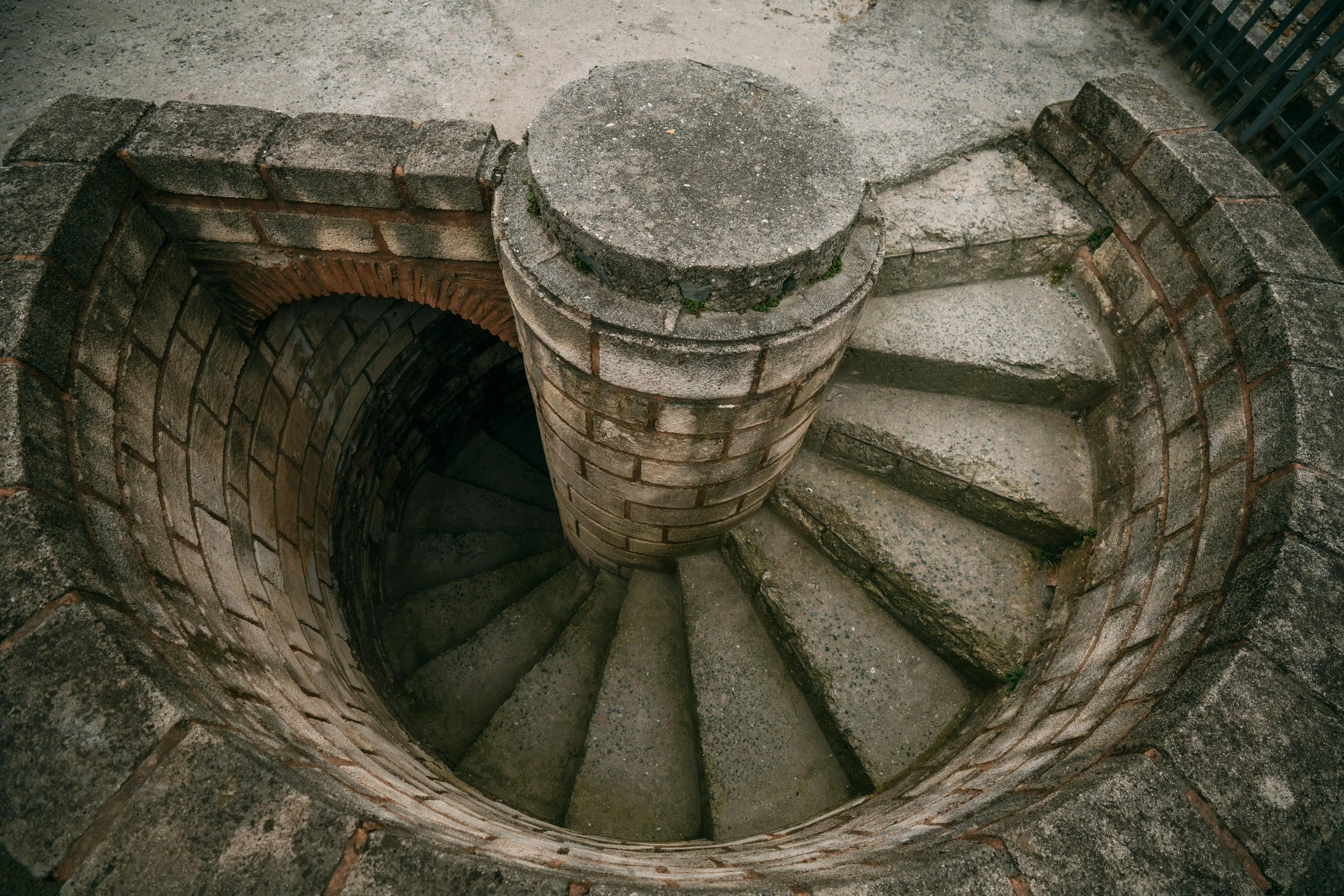
Photo by ClickerHappy: https://www.pexels.com/photo/ancient-antique-architectural-design-architecture-442420/
The air inside the Spire doesn't move; it waits. It is a thick, atmospheric pressure composed of pulverized stone, ancient vellum, and the metallic tang of iron gall ink that never quite seems to dry. To step into The Ledger is to leave the frantic, sun-bleached world of the surface behind and enter a realm where time is measured not by clocks, but by the steady, rhythmic scratch of a quill against parchment. In the realm of Gothic literature, we often obsess over the library or the laboratory, but we overlook the most terrifying room in the manor: the Archive.
I. The Weight of the Recorded Word: Why We Archive the Dark
The air inside the Spire doesn't move; it waits. It is a thick, atmospheric pressure composed of pulverized stone, ancient vellum, and the metallic tang of iron gall ink that never quite seems to dry. To step into The Ledger is to leave the frantic, sun-bleached world of the surface behind and enter a realm where time is measured not by clocks, but by the steady, rhythmic scratch of a quill against parchment.
In the realm of Gothic literature themes and the dark academia aesthetic, we often obsess over the library or the laboratory, but we overlook the most terrifying room in the manor: the Archive.
The Soul as a Transaction
Why are we so relentlessly driven to record our own descent? From a psychological depth perspective, a ledger is more than a book of debts—it is a map of our shadows. Every secret kept, every "unspoken" desire, and every betrayal is a transaction of the soul. We archive these moments because, in the dark, if a thing isn't written down, we fear it might actually be true. Or worse, we fear it might be forgotten.
This is the core of the Dark Aesthetic: the realization that we are all being watched, not by a deity, but by the records we leave behind. The "Bureaucratic Throat" of the world doesn't care about your intentions; it only cares about what can be filed, stamped, and stored in the cold, subterranean silence.
Ink as a Weapon of History
When we look at dark academia tropes, we often focus on the pursuit of knowledge. But in the world of The Ledger, knowledge is secondary to documentation. There is a specific kind of "Administrative Horror" in realizing that your entire existence—your bloodline, your crimes, your very name—is subject to the whim of a clerk’s pen.
In this space, paper acts as violence. A single stroke of ink can conscript a life or erase a legacy. As you read through these archives, ask yourself: Is your story being written by you, or is it merely being processed by a system that has no room for your light?
II. The Bureaucracy of the Soul: Why We Archive Our Shadows
To understand the Ledger is to understand the human impulse to document the very things that destroy us. In the high-contrast world of Gothic worldbuilding, we often focus on the monster in the woods or the ghost in the attic. But the most enduring hauntings are administrative. They live in the "Shadow Work" of the subconscious—the internal record-keeper that tracks every debt, every slight, and every moment of perceived unworthiness.
The Psychological Ledger: Auditing the Subconscious
In psychological fiction, the "Ledger" acts as a metaphor for the mental baggage we carry. Why do we keep journals of our failures but let our triumphs go unrecorded? It is because the human brain is wired for survival, and survival requires a meticulous accounting of threats.
The Debt of Identity: We often feel we "owe" a certain version of ourselves to the world. When we fail to deliver, the internal clerk marks a deficit.
The Redaction of Joy: Under the pressure of a dark aesthetic, we often "white-out" our moments of lightness, fearing they make us vulnerable or "off-theme."
The Permanent Record: The terrifying realization that once an emotional trauma is recorded in the mind, it can be filed away, but never truly deleted.
Shadow Work and the Archivist’s Path
For the creator or the seeker, "Shadow Work" is the process of breaking into your own Spire. it is the act of walking past the gatekeepers of your ego and demanding to see the files you’ve hidden from yourself. This isn't just a dark romance trope—it is a survival mechanism. In fiction, when a protagonist finally opens a forbidden ledger, they aren't just finding plot points; they are finding the pieces of themselves they were too afraid to claim in the light.
The Aesthetics of Emotional Accounting
Think of your secrets as physical objects. If a secret were a piece of parchment, would it be crisp and new, or would it be yellowed, brittle, and stained by the oils of a thousand nervous touches?
By framing our internal struggles as a physical "Ledger," we gain a strange kind of power over them. You cannot fight a ghost, but you can audit a book. You can cross out a debt. You can close a chapter. The Bureaucracy of the Soul is only as powerful as your refusal to look at the pages.
III. Subterranean Gothic: The Power of Under-Earth Settings
There is a specific, primal shiver reserved for the world beneath our feet. In the realm of the Gothic aesthetic, the transition from the surface to the subterranean isn't just a change in elevation—it is a descent into the collective unconscious. Whether it’s the sprawling catacombs of a ruined empire or the pressurized silence of a sunless cavern, subterranean settings in fiction serve a singular purpose: they act as a physical manifestation of the things we bury.
The Architecture of the Buried Mind
Why are we so relentlessly drawn to the dark? From a worldbuilding perspective, a subterranean setting provides an immediate sense of "weight." Every stone above the protagonist is a reminder of the secrets they are keeping. In dark fantasy and romantasy, the underground often represents the "shadow self"—the place where the polite rules of the surface world no longer apply.
When we build these worlds, we aren't just placing characters in caves. We are placing them in:
The Bureaucratic Abyss: Where the "Ledger" is kept—the record of every debt and every sin, filed away in the cold dark where the ink never quite dries.
The Sanctuary of the Damned: Where the villains—or the misunderstood heroes—retreat when the sun becomes too harsh for their truths.
The Living Tomb: A space that breathes with its own history, where the walls are made of the bones of those who forgot that the earth eventually claims everything it holds.
Subterranean Gothic vs. Traditional Horror
While traditional horror uses the dark to hide a monster, Subterranean Gothic uses the dark to reveal the character. In this niche, the environment is the antagonist. The dampness that clings to the skin, the flickering torchlight that creates "phantom" movements in the periphery, and the absolute, crushing silence are all tools of psychological depth in fiction.
For the reader, there is a distinct "Dark Academia" thrill in discovering a hidden library beneath a university, or a "Dark Romance" allure in an enemies-to-lovers arc that takes place in a prison cell carved from living rock. It forces a forced proximity that the surface world simply cannot replicate.
The Aesthetics of the Deep
To truly lean into this theme for your own creative work or your "Vibe Curation," focus on the sensory "Ledger" of the deep:
Sound: The rhythmic drip of mineral-rich water, the echo of a heartbeat against stone.
Sight: The iridescent shimmer of damp moss, the jagged geometry of stalactites that look like teeth.
Touch: The biting cold of a floor that hasn't felt the sun in a millennium.
In the end, we don't go underground to hide. We go underground to find the parts of ourselves that the light refuses to acknowledge. The Subterranean Gothic reminds us that while the surface world is where we perform, the "Sunken World" is where we truly exist.
IV. Paper as Violence: The Power of the Ink-Stained Pen
In the modern world, we view bureaucracy as a nuisance—a tangle of red tape and missed appointments. But in the Gothic aesthetic, bureaucracy is a weapon. It is the "administrative horror" of a world where a person is only as real as the file that contains them. In the Ledger Spire, paper doesn't just record life; it dictates it.
The Bureaucratic Throat: Where History is Written (and Erased)
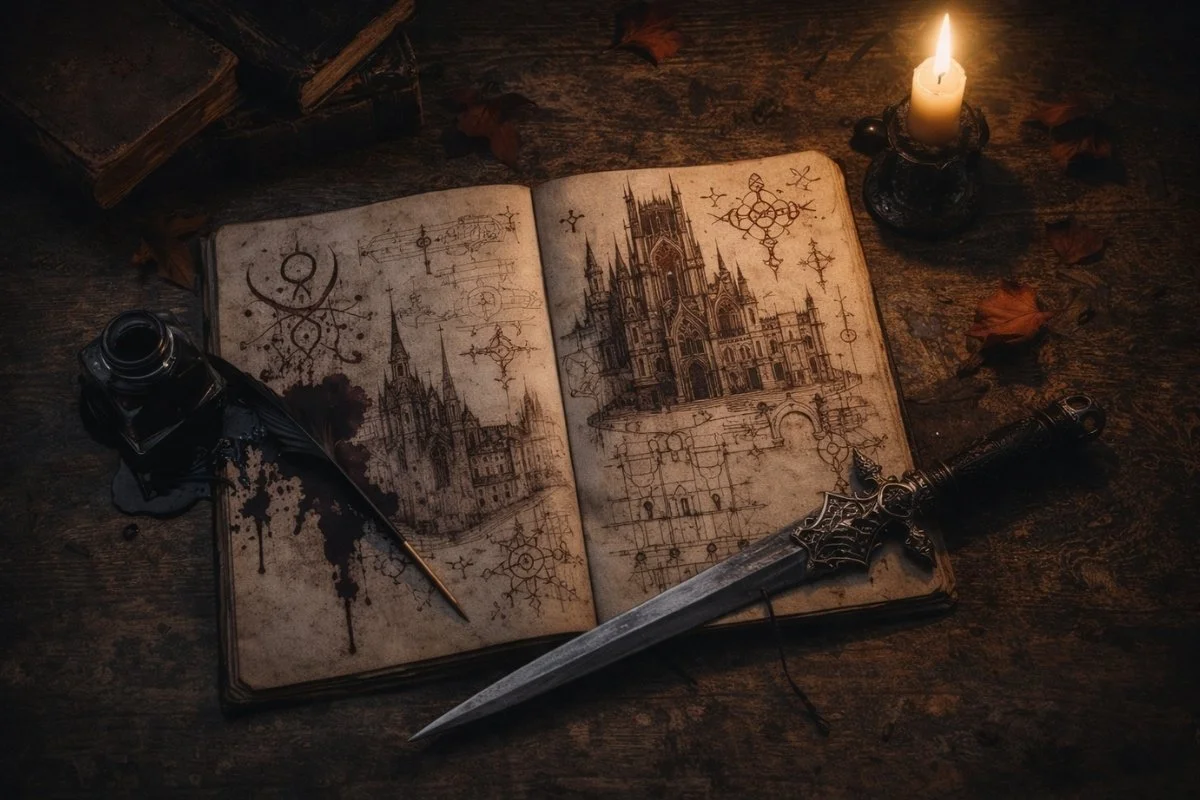
The true horror of a dark academia trope or a dystopian record-keeping system isn't found in a monster's claws, but in the steady, rhythmic scratch of a clerk’s quill. When we talk about "Paper as Violence," we are talking about the terrifying finality of the written word.
The Consignment: A name written on a list can send a child to a war they didn't start.
The Redaction: A line of black ink can erase a bloodline's claim to their ancestral home.
The Debt: A signature, often given in a moment of desperation, becomes a shackle more permanent than iron.
This is the "Bureaucratic Throat"—the narrow passage through which all truths must pass before they are officially recognized by the world. If it isn't in The Ledger, it didn't happen. If the Ledger says you are dead, no amount of breathing will convince the world otherwise.
The Sensory Horror of the Archive
To lean into the Dark Gothic vibe, we must look at the physical toll of record-keeping. Imagine a room so filled with parchment that the air itself tastes like dust and old glue.
Ink as Blood: The deep, staining black of iron gall ink that never truly leaves the skin of the scribes.
Vellum as Flesh: The unsettling realization that the "paper" being used has a history of its own.
The Weight of the Archive: The literal sound of thousands of pages turning at once, like the rustle of dry leaves in a graveyard.
Why "Administrative Horror" Resonates in Dark Fiction
We live in an era of digital footprints and permanent records, which makes the concept of an inescapable "Ledger" feel more relevant than ever. In psychological fiction, the "Paper Trail" is the ultimate antagonist. You can run from a killer, but how do you run from a document? How do you fight a system that has already decided who you are based on a file started before you were born?
In the intersection of Dark Romance and Gothic Horror, this creates a unique tension. When the "Hero" is the one holding the pen, and the "Heroine" is the one whose name is being written, the power dynamic becomes electric. It isn't just about physical dominance; it's about the ownership of a person's very identity.
V. The Romanticization of the Abyss: Why We Love the Dark
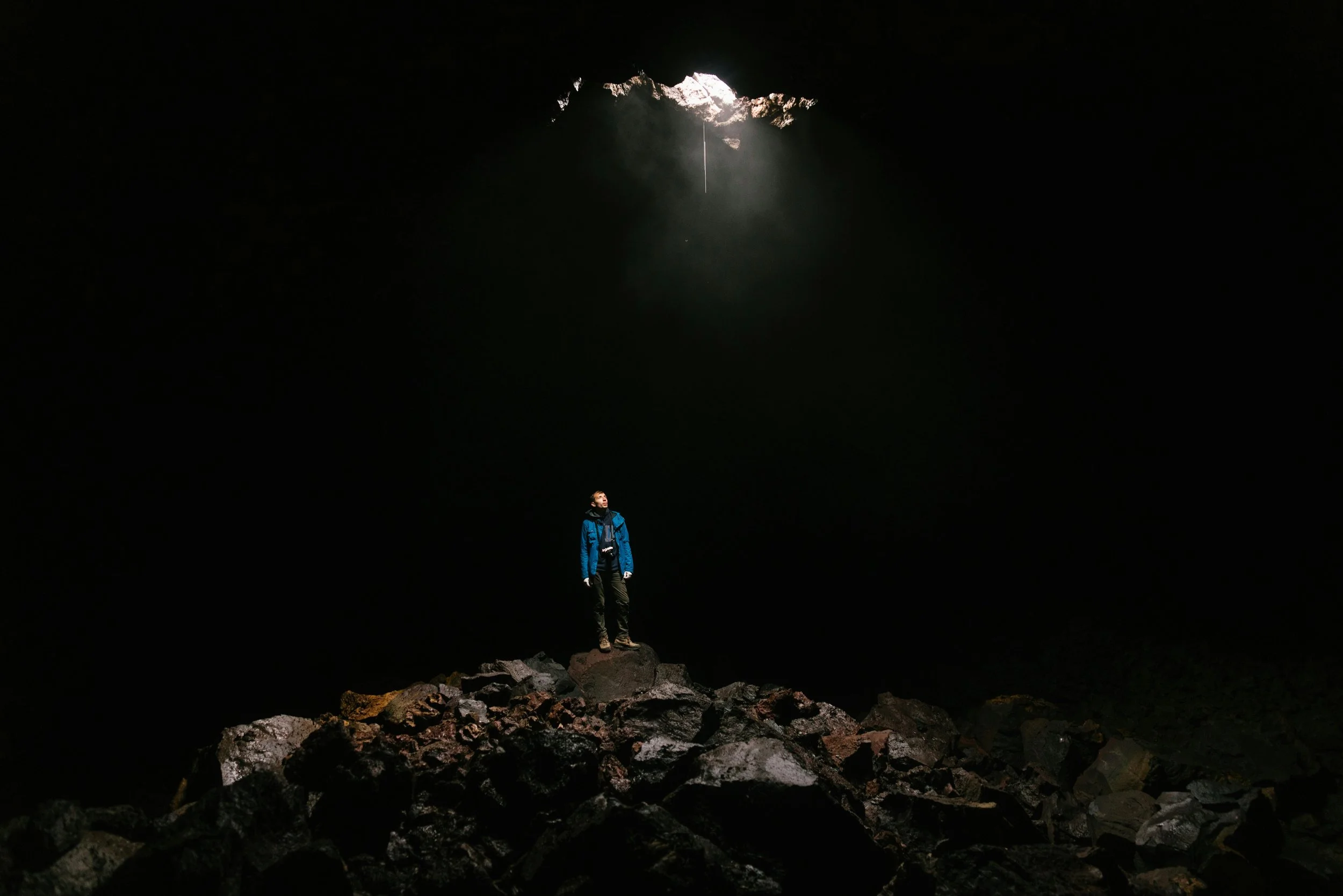
Why are we drawn to the "Enemies-to-Lovers" arc in a world of shadows? Why does a subterranean prison or a dusty archive feel more romantic to us than a sunlit meadow? To understand the allure of dark romantasy, we have to look at the psychological allure of the abyss.
The Safety of the Shadow
In dark fiction, the light is often a spotlight—it is where we are judged, measured, and forced to perform. But the darkness? The darkness is where we are allowed to be our true, unedited selves. When two characters meet in the "Sunken World," they meet without the masks required by the surface.
Vulnerability in the Dark: There is a profound intimacy in being seen by someone who knows your "Ledger" is full of red ink and chooses to stay anyway.
The "Villain" as Protector: We often romanticize the "Dark Lord" or the "Antagonist" because they represent a rejection of the bureaucratic, judgmental world above. They are the only ones who can navigate the abyss without getting lost.
The Chemistry of Conflict: Enemies-to-Lovers
The Enemies-to-Lovers trope is the ultimate "Audit of the Heart." It’s the process of taking two people with conflicting records—two people who should, by all rights of the "Ledger," destroy one another—and watching them rewrite their own history.
Why the Abyss is Necessary
A story without darkness is a record with no ink. The "Abyss" provides the contrast needed to make the moments of connection feel earned. In Psychological Thrillers and Gothic Romantasy, the "Happy Ending" isn't about escaping the dark; it’s about finding someone who is willing to live in it with you.
VI. Conclusion: Audit Your Own Abyss
As we close this chapter of The Ledger, we are left with a final, haunting realization: we are all the authors of our own archives. Every choice we make, every secret we bury, and every desire we acknowledge adds another line to our personal record.
If you were to step into the Ledger Spire tonight and pull your own file from the shelf, what would you find? Would it be a record of caution and safety, or would it be a chaotic, ink-stained testament to a life lived in the deep?
The dark isn't something to be feared—it is something to be understood. It is the canvas upon which our most authentic selves are drawn.



Call to Action (The Final Audit)
Are you ready to dive deeper into the archives? [Sign the Ledger] to join our inner circle and receive exclusive missives, world-building secrets, and psychological deep-dives delivered straight to your inbox.
Don't let your story be written by someone else.
